

By: Matt Welch
By many measures, the Texas electricity grid was put to the test in 2025. The Electric Reliability Council of Texas (ERCOT) reported near-record power demand, with electricity use in the first three quarters of 2025 up about 5 percent from the prior year – the fastest growth of any U.S. grid. Since 2023, wind, solar, and energy storage have been the fastest-growing sources of electricity in Texas, all helping meet rising demand. These sources of energy also pack a real punch. In fact, wind and solar have provided over one-third of Texas electricity so far in 2025 – and play a vital role in stabilizing the grid.
All told, renewables and battery storage performed brilliantly in summer 2025. They delivered when we needed power the most and let ERCOT get through the season without issuing a single public emergency conservation appeal. Texans remember the conservation alerts sent out by ERCOT in 2024. ERCOT did not have to ask Texans to cut back usage at all in summer 2025 – a testament to an improved grid. In addition, we can build these resources fast, which is exactly what we need right now with new demands coming to the state, especially from data centers.
During the 2025 summer heat, when Texans cranked up their AC units, renewables and storage were there to shoulder a huge portion of the load. The same sun that makes us reach for that thermostat also powers our solar panels. This summer, Texas solar farms produced roughly double the power they did just two summers prior – about 24,000 MW at noon in the summer of 2025, compared to 12,000 MW at noon in 2023. In doing so, solar relieved a huge burden on our aging power plant fleet, leaving more in reserve for later in the day.
It was just a few years ago that “peak demand” would strike fear into both the hearts of ERCOT and those of us who just want our ACs running. But now, because of solar, that part of the day went from being pretty darn spicy (price spikes and tight conditions) to just kind of boring (low prices and plenty of power to spare). It’s like if someone swapped out the jalapenos in the salsa for bell peppers – it’s just no sweat.
Now we all know that the sun sets and sometimes the wind can be fashionably late to the daily grid party, but now with our even faster-growing fleet of energy storage, that low-cost energy can stick around the party for even longer.
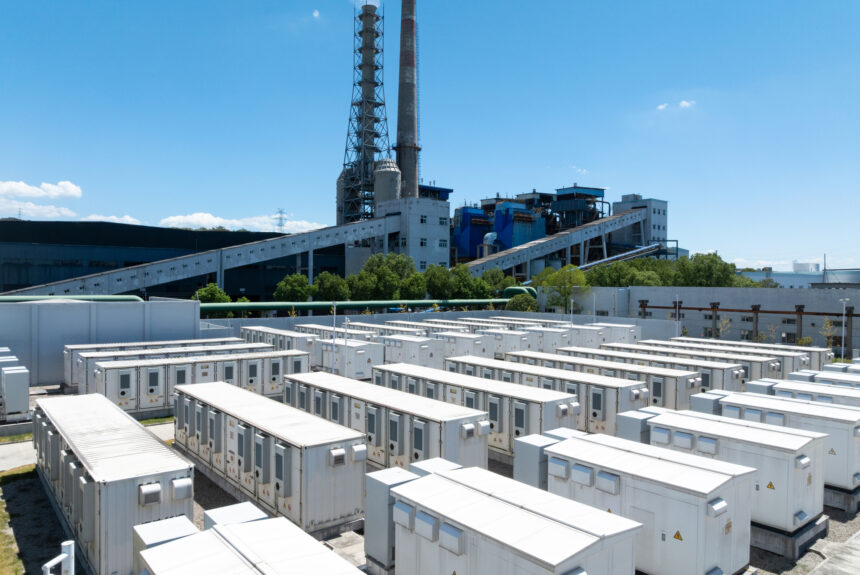
Texas has dramatically expanded its energy storage capacity, which proved its worth daily when the sun went down. Batteries charge up on excess solar and wind power during the night and midday and then send power to the grid at critical moments in the early morning and evening. By summer 2025, Texas batteries were supplying an average of 4,000 MW of electricity during the spiciest 8 p.m. hour. That’s like instantly adding four full-size nuclear reactors’ worth of power right during the hours when we need it most – a game-changer for reliability. These batteries plug the gaps and respond in seconds, far faster than traditional power plants can ramp up.
Other sources of power struggled this past summer. ERCOT’s summer review showed that forced outages from the thermal fleet (including “reliable” natural gas) ran roughly 50–100 percent higher than in summer 2024 on most days in July and August – just when we needed them the most. The grid operators noted that solar output and increased battery discharges filled most of the gap. Thus, Texas got through the summer as smoothly as it did largely because clean resources were there to backstop those thermal shortfalls.
The evidence is overwhelming: supporting renewable energy and battery storage is a pro-Texas, pro-grid reliability, and pro-consumer strategy. Texas’s competitive electricity market has spurred private investment in over 90 GW of wind, solar, and storage capacity – resources that are saving Texans money by providing cheap power. One study by researchers at the University of Texas found that wind and solar projects have saved Texas consumers over $30 billion since 2010. In the last five years, these savings equated to roughly $1,000 off the average Texan’s electric bills.
That’s real money back in Texans’ pockets, thanks to energy produced right here in Texas. And given the recent concerns about how some of this new large-load growth might put upward pressure on electricity prices, we need to double down on things that push in the other direction.
And it’s not just consumers who benefit. Rural communities have reaped land lease payments and tax revenue from wind and solar developments – an estimated $50 billion in lifetime lease/tax revenue is expected from existing and planned projects. Clean energy is now a cornerstone of our state’s manufacturing and rural economy.
The path of least regret is to double down on the resources that have continually proven themselves – and that means continuing to build out wind, solar, and storage, alongside other solutions like demand response and new gas plants where appropriate.
These technologies are quick to deploy and, thanks to Texas’ streamlined permitting process, can be built in months, not years. They’re increasingly made in America, and once built, their operating costs are very low. They also make our grid more flexible, which is exactly what the Texas grid needs.
Matt Welch is State Director for Conservative Texans for Energy Innovation, a group promoting energy innovation and clean energy policies grounded in the conservative principle of common sense and market-based solutions.
Source: https://c3newsmag.com/how-renewables-and-batteries-saved-the-texas-grid-in-2025/
